How Avalia's DX Hub Makes Technology Work Visible
A lot of technology work is difficult to see from the outside. Not because it is not important. Usually, it is the opposite. Teams may be improving systems, reducing delivery delays, fixing technical debt, reviewing risks, or preparing platforms for future growth. But that work is often spread across too many places.
Some of it is in tickets. Some of it is in meetings. Some of it is in reports that only a few people read. And some of it lives in conversations that are easy to forget a few weeks later.
So when leadership tries to understand what is really happening, the picture can be incomplete. DX Hub was created to make that picture easier to see.

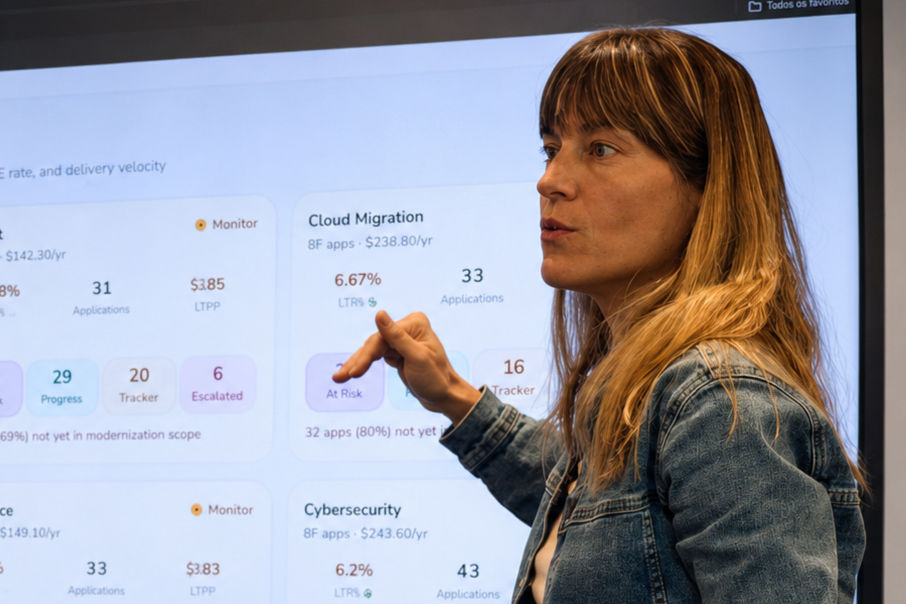
It brings technology work into one shared view, connecting business priorities with the real state of delivery, risks, initiatives, and team progress. Leaders do not have to rely only on scattered updates. They can see the work in context and make better decisions from there.
This matters because technology is no longer something that sits quietly in the background. It affects how fast the business can respond. But visibility is not the same as having more dashboards.
Most organizations already have too many dashboards. The problem is that they often show numbers without enough context. A metric may show that delivery is slower, but not why. A report may show progress, but not whether the work is creating the expected business value.

DX Hub helps connect those pieces.
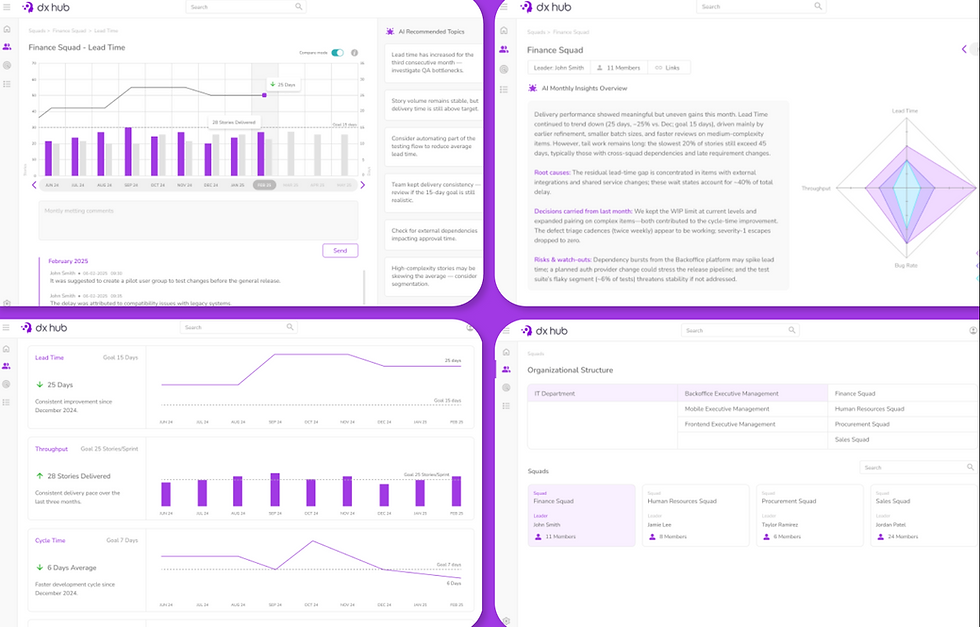
At an executive level, it can show how strategic initiatives are progressing and where attention may be needed. At a team level, it can help explain what is happening behind delivery metrics, quality signals, vulnerabilities, or recurring bottlenecks.

The goal is not to replace management conversations. It is to make those conversations more useful. Instead of spending most of a meeting trying to collect updates, teams can start from a shared view of reality. AI-generated highlights can also help surface what changed, what may require a decision, or what should not be ignored.
This is where DX Hub is different from simply asking a general LLM for advice.
Tools like ChatGPT or Claude can be useful. They can help summarize information, suggest next steps, or think through a problem. But asking a question in a chat is not the same as managing technology work across an organization. A chat answer depends on the context one person provides. Important decisions can stay hidden in private conversations. Teams may not be looking at the same information. Leadership may not know whether the answer is based on current data, complete data, or only on what someone remembered to paste into the prompt.
DX Hub is designed to keep the context connected over time. It links technology metrics with business priorities, team discussions, risks, and strategic initiatives. It helps leaders understand not only what could be done, but what is actually happening and whether previous decisions are creating progress.
That is the difference. A general LLM can give advice. DX Hub helps the organization keep track of the work.
For companies investing in technology, this kind of visibility becomes important very quickly. It is not enough to know that teams are busy or that projects are moving.
When technology work is easier to see, it is easier to manage.