
How CIOs connect technology work to ROI
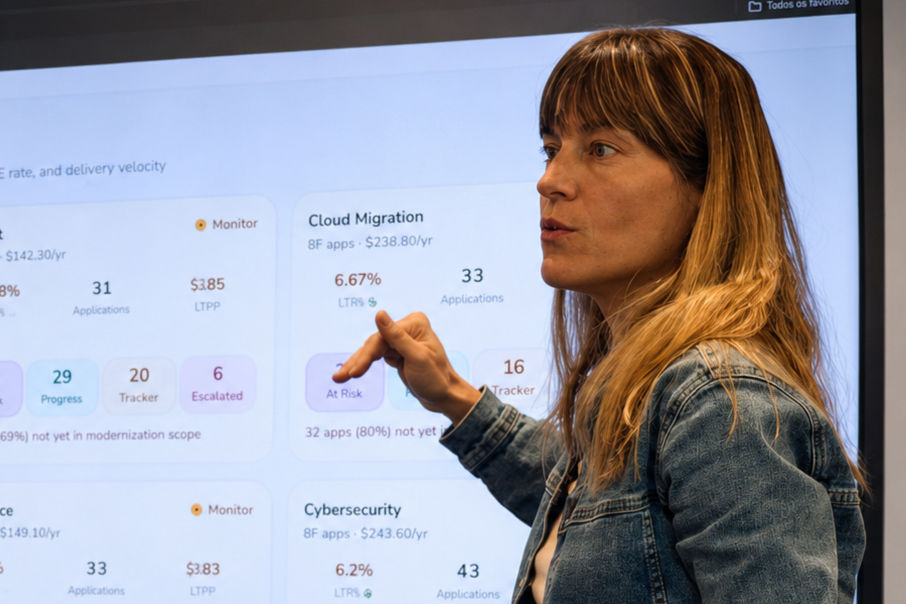
CIOs are under more pressure than ever to prove that technology work creates business value. This pressure is not surprising. Companies are spending more on AI, cloud, cybersecurity, data platforms, and internal tools. At the same time, CEOs and CFOs want to know which investments are actually helping the business and which ones are only adding cost.
For CIOs, this changes the conversation. It is no longer enough to say that a system was modernized or that a project was delivered. That work may matter, but it does not automatically prove ROI. The real question is: what improved for the business because of this technology work?
Technology ROI should not start with the tool. It should start with the business problem. A company may want to reduce operating costs, improve customer experience, speed up product delivery, reduce risk, or make better decisions. Once the business goal is clear, the CIO can explain how technology supports it.
For example, a developer platform is not valuable only because it gives engineers better tools. It is valuable if it helps teams release software faster, reduces duplicated work, or makes it easier to follow security standards. A data platform is not valuable only because it centralizes information. It is valuable if leaders can use that information to make better decisions with less delay. An AI initiative is not valuable only because it uses AI. It is valuable if it improves a real workflow, reduces manual effort, or helps employees produce better work.
This is where some companies get stuck. They measure technology activity, but not business impact. They track how many tickets were closed or how many users adopted a tool. These numbers can be useful, but they mostly show that work happened. They do not always show that the business became stronger.
To connect technology work to ROI, CIOs need to translate technical progress into business outcomes. Faster deployment can mean faster time to market. Better system reliability can mean fewer interruptions for customers and employees. Less manual work can mean lower operating cost. Better data quality can mean decisions are made with more confidence.
This translation is important because most executive teams do not need every technical detail. They need to understand the effect. If technology teams cannot explain the effect, the work may look like cost, even when it is creating real value.
The best ROI conversations are not only about proving past success. They also help the company make better future decisions. When CIOs can show which technology work creates value, the business can invest with more confidence.
This is the real “so what?” for CIOs. Connecting technology work to ROI is not just about defending the IT budget. It is about showing that technology is part of how the company grows.
That is how CIOs move the conversation from “What did IT deliver?” to “What did the business gain?”
Want to make technology value easier to see and explain? Avalia Systems helps organizations connect technology work to business outcomes, so leaders can make better decisions about where to invest next.


